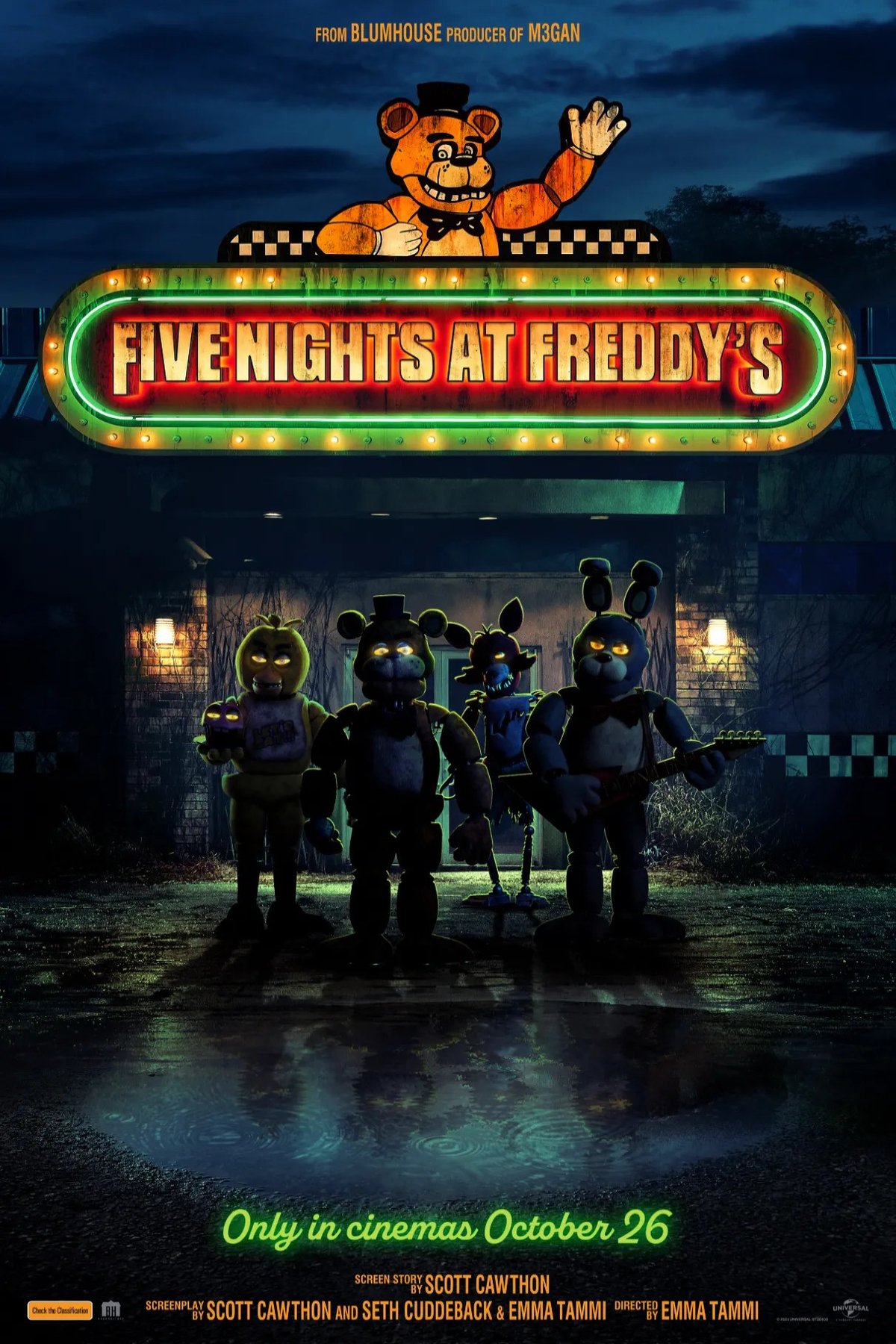
The entertainment landscape is constantly evolving, but few shifts have been as transformative as the strategic reimagining of Franchise Futures: Sequels, Spinoffs & Renewals. What once began as straightforward follow-ups to blockbuster hits has morphed into an intricate web of interconnected narratives, shared universes, and multi-platform expansions. We’re moving beyond just watching a story; we're living within sprawling, immersive worlds that demand our attention and reward our engagement across every possible touchpoint.
This isn't merely a creative evolution; it's a profound economic and psychological one, reshaping how studios produce content and how audiences consume it. Gone are the days when a sequel was a risky gamble, often susceptible to audience fatigue. Today, the ambition is to build evergreen intellectual property, a universe that can spin off endlessly, renewing itself through fresh perspectives and diverse narratives.
At a Glance: What You'll Learn About Franchise Futures
- The Big Shift: How linear sequels gave way to sprawling, interconnected cinematic universes.
- Why Universes Thrive: The economic and psychological drivers benefiting both studios and fans.
- Beyond Superheroes: How the universe model has expanded into genres like horror, animation, and sci-fi.
- The Art of Longevity: Key principles for creating successful, long-running franchises that balance newness with familiarity.
- Money & Muses: The financial stakes and creative constraints that define franchise filmmaking today.
- Engaging Tomorrow's Fans: How technology, streaming, and diverse storytelling are shaping the future of shared worlds.
From Linear Follow-Ups to Fully Formed Worlds
For decades, the concept of a "sequel" was relatively simple: a direct continuation of a successful film's story. Think The Godfather Part II or Star Wars: The Empire Strikes Back in the 1970s and 80s. These were often brilliant films, deepening narratives and characters, but they were largely linear. Their success was tied almost entirely to the performance of the preceding film, making them inherently risky. One misstep, and the entire series could falter. Audience fatigue was a constant threat.
Then came a revolution, quietly brewing in the background. The launch of Iron Man in 2008 wasn't just another superhero movie; it was the genesis of the Marvel Cinematic Universe (MCU). This model fundamentally changed the game. Instead of simply extending one story, it introduced standalone films that skillfully wove into a larger, unified narrative, culminating in the unprecedented success of The Avengers in 2012. This wasn't just a series of sequels; it was an interconnected saga, where each film was a piece of a much grander mosaic. This interconnected storytelling proved not only sustainable but wildly successful in fostering long-term audience engagement.
The MCU's Blueprint for Success
The Marvel approach wasn't accidental; it was a meticulously planned strategy that redefined what a modern franchise could be:
- Interdependence with Autonomy: Each film could stand on its own, offering a complete story, yet simultaneously contributed to a larger narrative arc.
- Long-Game Storytelling: Major plot points, character introductions, and thematic explorations were spread across years, building anticipation and allowing for organic growth.
- Diverse Character Pool: By focusing on an ensemble cast and rotating protagonists, the universe mitigated risk. If one hero's film underperformed, the overarching narrative wasn't doomed.
- Fan Engagement: The shared universe fostered a vibrant fan culture of speculation, Easter egg hunting, and communal discussion, turning passive viewing into active participation.
This blueprint laid the foundation for virtually every major studio's strategy today, transforming how we think about the future of beloved stories.
Why Studios Love Universes (and Audiences Do Too)
The shift to cinematic universes isn't just about creative ambition; it's deeply rooted in savvy business strategy and an understanding of human psychology. Both studios and audiences find compelling reasons to invest in these sprawling narratives.
For the Bean Counters: The Economic Drivers
From a studio executive's perspective, the universe model is a goldmine for sustainable, long-term revenue. It offers several critical advantages:
- Risk Diversification: No longer are all the studio's eggs in one basket. By having multiple characters, storylines, and potential spin-offs, a universe can absorb the underperformance of a single entry. If one film falters, others can still succeed and carry the franchise forward.
- Sustainable Revenue Streams: A well-established universe isn't just about box office. It generates colossal income through a multitude of channels:
- Merchandise: Toys, apparel, collectibles (think the vast Harry Potter merchandising empire).
- Streaming Deals: Exclusive content for platforms like Disney+ or HBO Max.
- Theme Park Attractions: Immersive experiences that extend the world into physical spaces.
- Cross-Media Storytelling: Comics, video games, novels, and animated series all contribute to and benefit from the central narrative.
- Long-Term Investment: Universes are designed for longevity. They create a continuous cycle of production, promotion, and consumption, ensuring a steady flow of content and engagement for years, even decades. This contrasts sharply with one-off hits that burn brightly and then fade.
Studios like Warner Bros. have aggressively pursued this model with their DC Extended Universe, recognizing its potential. Even Universal Pictures made an attempt with its Dark Universe, highlighting both the allure and the challenges of this strategy.
For the Fans: The Psychological Drivers
Audiences aren't just passive recipients of these stories; they are active participants drawn in by powerful psychological factors:
- Immersive Worlds: Humans crave rich, detailed worlds they can explore. Universes provide endless lore, backstories, and interconnected elements that deepen the viewing experience. It's not just a film; it's an entire reality to inhabit.
- Speculation and Discussion: The interconnected nature of these stories fuels endless fan theories, discussions, and debates online. Who's the villain? How will this character return? What's the hidden meaning of that Easter egg? This collective speculation fosters a vibrant, communal experience.
- Emotional Investment: By following characters over many films and years, audiences develop deep emotional connections. They celebrate triumphs, mourn losses, and anticipate future developments with a level of investment rarely achieved by standalone films.
- Communal Experience: Sharing the excitement of a new release, discussing plot twists with friends, or engaging in online communities creates a sense of belonging. It transforms entertainment from an individual pastime into a shared cultural event.
This deep engagement means viewers are often keen to explore content beyond watching the main films or shows, delving into comics, games, or even fan theories that expand the universe further.
Beyond Capes: Where Universes Are Expanding
While superheroes perfected the cinematic universe model, its success quickly demonstrated its versatility. Today, you'll find interconnected narratives flourishing in almost every genre, proving that the desire for immersive worlds transcends spandex and superpowers.
Horror's Haunted Houses: The Conjuring Universe
One of the most surprising and successful expansions has been in the horror genre. The Conjuring (2013) introduced audiences to the terrifying case files of paranormal investigators Ed and Lorraine Warren. But instead of simply making linear sequels, the franchise meticulously spun off terrifying side stories. From the demonic doll Annabelle to the chilling origins of The Nun, each film enriches the central lore, creating a sprawling, shared universe of supernatural dread. This approach allows for diverse scares while maintaining a consistent stylistic and thematic thread, keeping audiences engaged and terrified.
Roaring Giants: The MonsterVerse
Another massive (literally) success is Legendary's MonsterVerse. Kicking off with Godzilla (2014) and Kong: Skull Island (2017), this universe brought iconic giant monsters together in a coherent narrative, culminating in epic clashes like Godzilla vs. Kong. It's a testament to the idea that even seemingly disparate creatures can be woven into a compelling, overarching mythology, tapping into our primal fascination with colossal beasts.
Animated Innovations: Spider-Man: Into the Spider-Verse
The animated realm has also embraced the universe concept with breathtaking innovation. Spider-Man: Into the Spider-Verse (2018) not only delivered a visually stunning and narratively rich experience but also blew open the doors to the multiverse. By introducing multiple versions of Spider-Man from different dimensions, it showcased how the "universe" model can extend beyond a single timeline, offering limitless creative possibilities for characters and stories.
The Pitfalls: When Universes Collapse
However, the allure of the shared universe model isn't without its significant risks. Rushed planning, a lack of strong narrative foundations, or prioritizing interconnectedness over individual film quality can lead to spectacular failures.
Universal's ill-fated Dark Universe serves as a cautionary tale. Intended to revive its classic monsters (Dracula, Frankenstein, The Mummy), the franchise stumbled badly after The Mummy (2017) underperformed. The mistake? Focusing too much on setting up future films and an overarching universe, rather than ensuring The Mummy itself was a compelling, standalone story. Audiences felt the setup was forced, not organic, proving that successful universes must always balance their interconnectedness with each film's ability to stand on its own merits.
The Delicate Art of Keeping a Franchise Alive
Creating a successful franchise, whether a linear series or a sprawling universe, is a demanding craft. It requires more than just capital; it demands a deep understanding of audience expectations, a strategic vision, and the creative finesse to evolve without losing sight of what made the original special.
Balancing Act: Originality and Familiarity
The golden rule of sequel-making is to offer something new while retaining the essence of what audiences loved about the original. Pure rehashes lead to boredom, while straying too far alienates the fanbase.
- The Dark Knight: This sequel didn't just repeat Batman Begins. It plunged Batman into a morally complex, psychologically dark Gotham, pushing the character and themes into new, challenging territory while remaining true to the spirit of the comic book hero.
- The Challenge: Filmmakers must continually ask: How can we surprise and excite without breaking faith with the established world and characters?
Growing Pains: Character Development
Characters are the heart of any franchise. For long-running series, stagnant characters are a death knell. Audiences want to see their beloved heroes and villains grow, change, and face new internal and external conflicts.
- Toy Story: Over four films, Woody and Buzz Lightyear evolve significantly. Woody confronts his existential purpose, while Buzz learns new lessons about friendship and identity. Their journeys feel earned and resonate deeply with viewers.
- The Imperative: Allow characters to face genuine consequences, make difficult choices, and develop in meaningful ways that reflect the passage of time and their experiences.
Staying True: Continuity and Consistency
In a shared universe especially, maintaining consistent storytelling, visual style, and quality is paramount. Deviations can confuse audiences, break immersion, and erode trust.
- Harry Potter Series: Despite multiple directors, the Harry Potter films maintained remarkable continuity in character arcs, visual style, and thematic resonance. This ensured a cohesive, satisfying journey for fans who grew up with the books and films.
- The Risk: Inconsistent quality or outright contradictions in lore can quickly disengage a passionate fanbase, leading to accusations of disrespecting established material.
Thinking Big: Strategic Universe Expansion
A successful franchise doesn't just repeat; it expands. This means exploring new themes, introducing compelling new characters, and venturing into unexplored settings, all while enriching the existing lore.
- Star Wars: The Empire Strikes Back: This sequel didn't just continue Luke's journey; it expanded the galaxy, introduced iconic new characters like Yoda and Lando Calrissian, deepened the mythology of the Force, and delivered one of cinema's most famous plot twists. It added immense depth to the Star Wars universe.
- The Opportunity: Thoughtful expansion can revitalize a franchise, opening doors for future stories and keeping the world feeling vibrant and limitless.
The Money, The Muse, The Machine: Economics & Creative Tensions
Franchise filmmaking operates at the intersection of immense artistic ambition and staggering financial stakes. This dynamic creates a fascinating tension, where creative vision must often harmonize with strategic business planning.
High Stakes, Big Budgets
The budgets for major franchise films are astronomical. It’s not uncommon for a blockbuster sequel or universe entry to cost hundreds of millions of dollars, before factoring in marketing. This high investment means the financial returns must be equally immense, coming from multiple revenue streams:
- Box Office: The primary indicator of a film's initial success, often driving subsequent greenlights.
- Merchandising: A critical, long-tail revenue source. The global Harry Potter franchise, for instance, has generated billions from merchandise alone, extending its brand far beyond the big screen.
- Extensive Multi-Platform Marketing: Reaching audiences globally requires massive campaigns across traditional media, social media, and experiential events, adding significantly to the overall cost.
Creative Constraints vs. Long-Term Vision
While franchises offer incredible creative canvases, they also impose unique constraints. Filmmakers aren't entirely free to tell any story they wish; they must operate within established lore, character arcs, and an overarching narrative plan.
- Consistency: Maintaining a consistent style, tone, and characterization across multiple entries requires meticulous coordination, often involving "showrunners" or creative committees overseeing the entire universe.
- Long-Term Planning: Unlike standalone films, franchise entries are often pieces of a puzzle designed years in advance. This necessitates a collaborative approach, where individual directors and writers contribute to a larger, shared vision. Artistic choices often need to serve the broader narrative, not just the individual film.
Casting: Iconic Roles and Their Impact
Actors become synonymous with their characters in long-running franchises. Think of Robert Downey Jr. as Iron Man, Daniel Radcliffe as Harry Potter, or Harrison Ford as Han Solo. This deep connection between actor and role has significant implications:
- Audience Loyalty: Fans often follow a franchise as much for the actors as for the characters, creating powerful star-power draw.
- Creative Influence: Long-term commitments mean actors can sometimes have a greater say in their character's development.
- Challenges: Recasting beloved characters is fraught with peril and often met with fan resistance, making decisions about actor contracts, aging, and potential departures critical to a franchise's longevity.
Balancing artistic integrity with the demands of a multi-billion dollar enterprise is a constant tightrope walk, requiring a blend of creative genius and strategic foresight.
Engaging the Crowd: The Future of Fandom & Storytelling
The future of franchises, especially shared universes, hinges on their ability to innovate, captivate, and adapt. With evolving technology and changing cultural landscapes, audience engagement is no longer a passive activity; it’s an immersive, interactive journey.
Immersive Worlds & Online Communities
Successful franchises understand that the story doesn't end when the credits roll. They cultivate vibrant fanbases by:
- Cliffhangers and Mysteries: Ending stories with tantalizing unresolved questions or unexpected revelations keeps audiences buzzing and speculating until the next installment.
- Easter Eggs and Lore: Hidden references, deep cuts, and extensive background lore encourage re-watching and reward dedicated fans, deepening their connection to the world.
- Online Communities: Social media platforms, dedicated forums, and fan wikis become essential spaces for fans to connect, share theories, create fan art, and debate plot points, fostering a powerful sense of community and ownership.
Streaming: The New Frontier for Expansion
Streaming platforms are no longer just distribution channels; they are integral to the expansion of franchises. Services like Disney+ and HBO Max now greenlight original series that directly tie into existing cinematic universes, offering unprecedented opportunities:
- Deeper Character Dives: Television series allow for more nuanced character development and exploration of secondary characters that might not get enough screen time in a two-hour film.
- Bridging Narrative Gaps: Series can fill in story gaps between films, explore parallel timelines, or set up future cinematic events, creating an even more interconnected experience.
- Expanded World-Building: The episodic format is ideal for showcasing new locations, factions, and aspects of the universe that might otherwise be overlooked.
Tech Trends: VR/AR & Interactive Experiences
The next wave of engagement will leverage advanced technologies to make franchises even more interactive and personal:
- Virtual Reality (VR): Imagine stepping into your favorite fictional world, interacting with characters, or reliving key moments in VR. This technology promises unparalleled immersion.
- Augmented Reality (AR): AR experiences, through apps on your phone or smart glasses, can overlay digital content onto the real world, bringing characters or elements of a franchise into your daily life.
- Interactive Storytelling: Future franchises may offer branching narratives or choices that allow audiences to influence the story's direction, blurring the lines between viewer and participant.
The Call for Diversity
Modern audiences increasingly demand stories that reflect a diverse world. The continued success of extended narratives will depend heavily on their adaptability to cultural shifts, embracing more inclusive storytelling:
- Representation Matters: Featuring diverse characters, creators, and perspectives ensures stories resonate with a broader global audience.
- New Voices, Fresh Stories: Tapping into different cultural backgrounds and experiences can breathe new life into established universes, preventing stagnation and offering fresh narrative angles.
Ultimately, the future of these interconnected stories rests on a foundation of innovation, captivating storytelling, and a willingness to adapt to evolving technology and audience preferences. Those who can consistently deliver fresh, engaging, and meaningful experiences will be the ones to define the next generation of franchise futures.
Charting Your Course in a Universe of Stories
The world of franchise entertainment is a dynamic, ever-expanding galaxy. For those crafting these stories, the path ahead demands creativity, courage, and meticulous planning. For us, the audience, it offers an unprecedented opportunity for immersion, connection, and a deeper relationship with the narratives we love.
As a creator, understanding the delicate balance between innovation and consistency, character development and continuity, is paramount. You must honor the past while boldly forging the future, always remembering that the most successful universes resonate because they connect deeply with the human experience.
As a viewer, embracing these evolving models means more opportunities to dive into complex worlds, engage with rich characters, and become part of global communities. It encourages us to look for the nuances, to appreciate the long game, and to celebrate the shared experience of storytelling on an epic scale.
The evolution from simple sequels to shared universes isn't just a trend; it's a paradigm shift. It signifies a deeper, more enduring commitment to storytelling, promising a future where our favorite narratives don't just conclude, but continue to live, breathe, and grow around us.